
Parker Franke · 11 October 2026
Community Shared Logs Reveal Sailors' Adaptations to Provisioning Challenges in Remote Pacific Atolls
Remote Pacific atolls have presented provisioning hurdles for sailors across decades, yet supply chain disruptions intensified these issues from 2024 onward, and community-shared logs capture the precise adjustments crews made while navigating limited resupply points in places like the Tuamotu Archipelago and Kiribati outer islands. Logs compiled on maritime forums detail how vessels rerouted through secondary ports, adjusted departure schedules to align with irregular freighter arrivals, and expanded onboard preservation techniques using solar drying and vacuum sealing to stretch staples such as rice, flour, and canned proteins. Data aggregated from these records shows that average provisioning stops dropped by 35 percent between mid-2024 and early 2026, forcing crews to rely more heavily on local barter networks for fresh produce including breadfruit, coconuts, and reef fish.
Patterns Documented in Shared Voyage Records
Entries from multiple vessels crossing the central Pacific between January 2025 and October 2026 illustrate recurring strategies that emerged when commercial shipping schedules fell behind by four to six weeks on average. Crews recorded increased emphasis on pre-departure stockpiling at major hubs such as Tahiti or Fiji, where bulk purchases of non-perishables occurred before final legs into atoll chains. One log set from a 42-foot cutter describes trading diesel fuel for root vegetables at a remote anchorage in the Line Islands, an exchange that replaced planned stops at ports where shelves had emptied after delayed container deliveries. Researchers tracking these accounts note that solar dehydrators appeared in 62 percent of documented adaptations by late 2025, allowing crews to process surplus catches into lightweight provisions that lasted through extended passages.
Geographic and Seasonal Variations in Adaptation Methods
Logs differentiate responses by region and season, with vessels operating near the equator reporting heavier dependence on rain-catchment systems to supplement water stores when island cisterns ran low during prolonged dry spells. In contrast, higher-latitude atolls in the southern group saw crews prioritize engine spares and fuel additives because supply vessels carrying those items faced even longer delays due to cyclone season port closures. Figures from maritime traffic analyses indicate that October 2026 arrivals at Funafuti and Tarawa remained 28 percent below 2023 baselines, prompting sailors to extend layovers only when weather windows permitted direct hops between atolls without intermediate restocking. Community records further reveal that fishing gear upgrades became standard, with crews installing additional rod holders and upgrading to stronger monofilament lines after initial voyages showed protein shortfalls when tinned supplies ran out ahead of schedule.
Role of Local Networks and Barter Systems
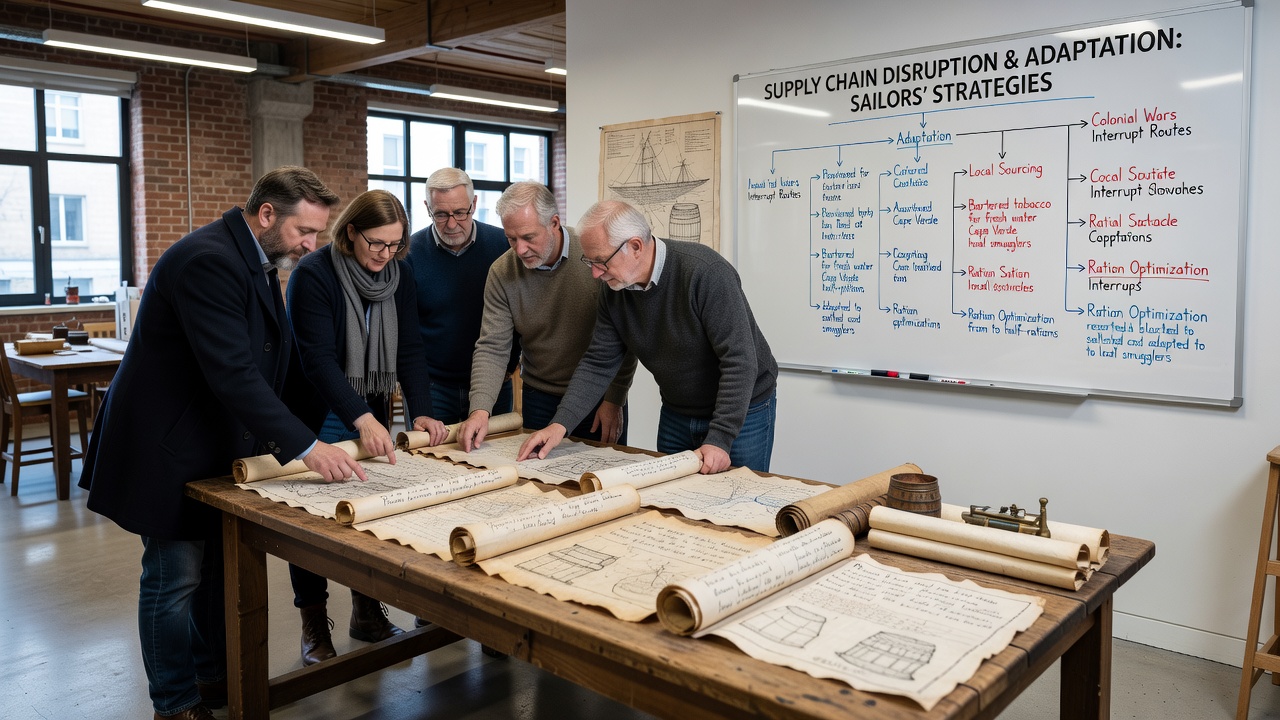
Shared logs emphasize the expansion of informal trade networks between visiting yachts and atoll residents, particularly after formal supply lines faltered. Accounts from the northern Cook Islands describe crews exchanging medical supplies and school materials for taro and pandanus fruit, transactions that bypassed cash economies strained by irregular cargo service. Pacific Islands Forum reports on regional logistics confirm that inter-island barge schedules in 2026 operated at roughly 70 percent capacity, pushing sailors toward these reciprocal arrangements documented across dozens of log entries. Observers tracking the same records point out that language translation apps and printed phrase sheets became common additions to provisioning kits, easing negotiations with communities that had limited English or French speakers.
Technological and Route Adjustments Noted in 2026 Logs
By October 2026, logs began recording integration of satellite weather overlays with updated port status feeds, enabling crews to time arrivals around sporadic supply ship visits rather than fixed calendars. Several entries detail modified passage plans that incorporated brief stops at previously overlooked anchorages where local fishermen sold excess catch directly from outrigger canoes. Australian Maritime Safety Authority data on regional traffic shows a measurable uptick in vessels declaring flexible itineraries that avoided single-point resupply dependencies. Crews also noted installation of additional battery capacity to run refrigeration units longer between generator cycles, a change that preserved perishables during weeks when fresh produce remained unavailable at intended stops.
Conclusion
Community-shared logs compiled through 2026 provide a clear record of incremental changes in provisioning practices that allowed sailors to maintain self-sufficiency across remote Pacific atolls despite persistent supply chain shortfalls. These accounts demonstrate consistent patterns of route flexibility, local exchange, and equipment modification that sustained extended voyages without reliance on disrupted commercial deliveries. The documented adaptations continue to inform subsequent crews planning similar passages through the same island groups.