Parker Franke · 27 September 2026
How Digital Forums Have Reshaped the Way Sailors Exchange Insights on Equipment Durability in Extreme Conditions
Digital forums have transformed how sailors document and share observations about gear performance when waves exceed 10 meters and winds reach hurricane force, replacing sporadic letters or dockside chats with threaded discussions that persist for years. Participants post photos of failed rigging alongside temperature logs, wave height readings, and repair timelines, creating searchable archives that others reference before outfitting voyages across the Southern Ocean or North Atlantic.
From Isolated Logs to Shared Databases
Before widespread internet access, sailors relied on printed logs and occasional magazine articles to record equipment failures, yet those records stayed limited to small circles. Today platforms aggregate thousands of entries from single-handed racers and family cruisers alike, allowing patterns to emerge across dozens of expeditions. One sailor who crossed the Drake Passage in 2023 noted stainless steel shackles corroding after only 48 hours of salt spray exposure, and replies from three other crews confirmed similar degradation rates when stainless was paired with certain aluminum fittings.
Researchers at maritime institutions have begun mining these threads for quantitative data, cross-referencing user-reported failure points with laboratory tests. The process reveals consistent weak spots in synthetic lines under repeated shock loading, information that spreads faster than traditional industry bulletins. And because posts often include GPS coordinates and weather station data, analysts can map durability issues to specific environmental variables rather than relying on generalized assumptions.
Real-Time Troubleshooting Across Time Zones
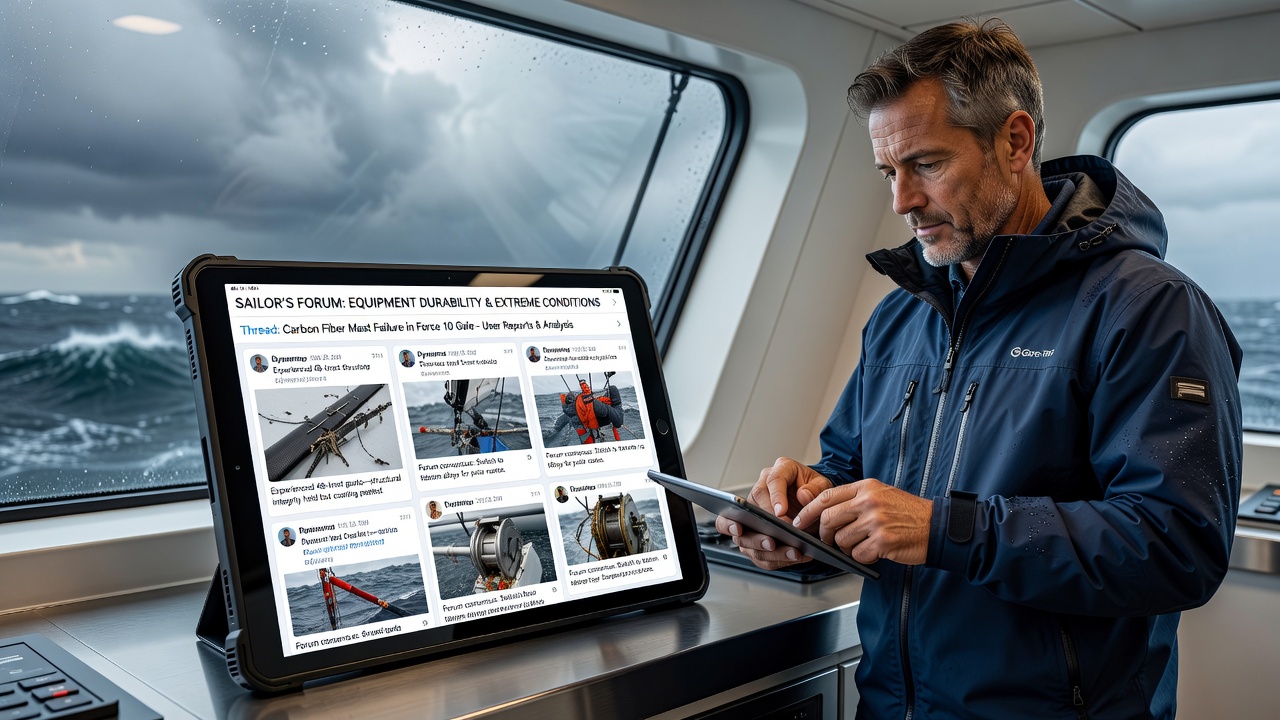
When a carbon fiber mast develops micro-cracks during a Southern Ocean storm, crew members can upload images and strain-gauge readings within hours, receiving suggestions from riggers in New Zealand, structural engineers in Norway, and composite specialists in Canada before the next watch begins. This speed matters because extreme conditions rarely allow weeks of downtime for consultation. Threads frequently include follow-up posts days or weeks later, documenting whether a suggested reinforcement held or required further modification.
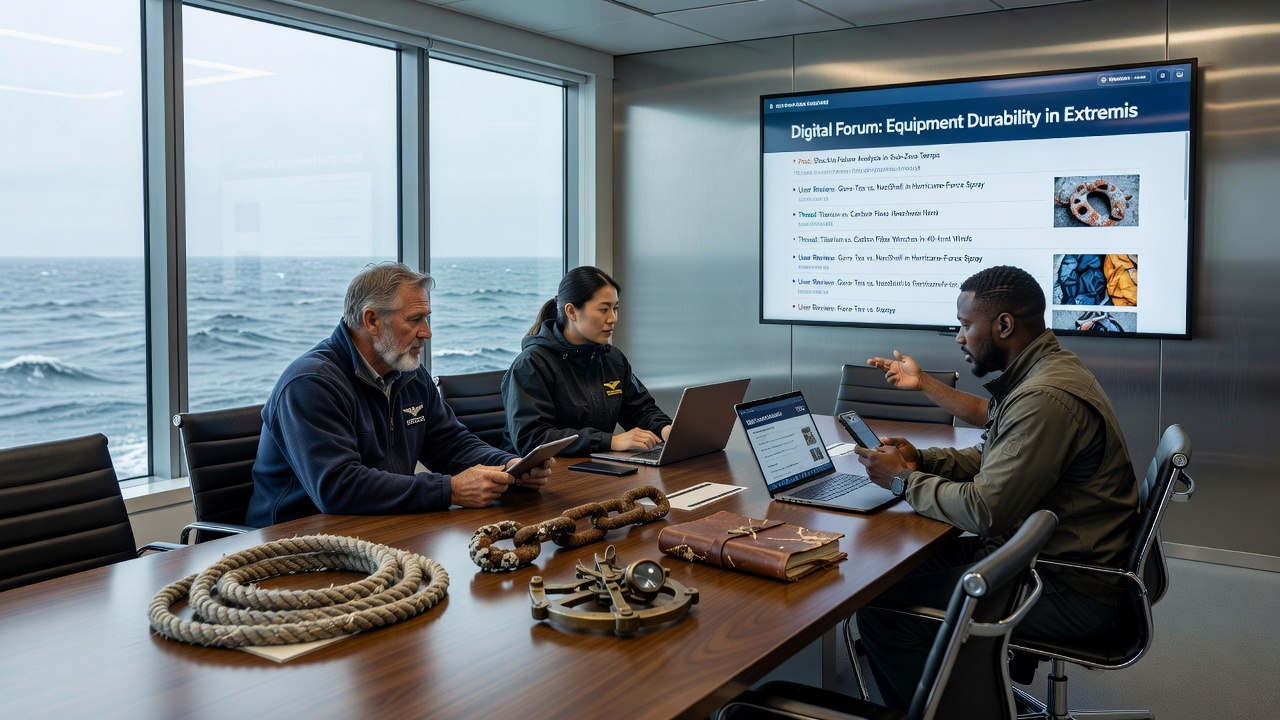
Observers note that forum moderators often pin threads containing verified test results, such as side-by-side comparisons of Dyneema versus traditional polyester in sub-zero temperatures. These pinned resources accumulate comments from multiple voyages, building a cumulative dataset that individual manufacturers rarely publish. Data from the Australian Maritime Safety Authority shows increased reporting of equipment modifications traced back to forum exchanges, particularly in the area of anchor rode chafe protection during prolonged gales.
Influence on Equipment Manufacturers and Standards
Manufacturers monitor these conversations to identify recurring complaints before warranty claims spike. One European supplier adjusted its lifeline specifications after repeated forum posts documented stainless wire fatigue at swage terminals following 60-knot gusts. The changes appeared in the next product catalog, accompanied by test certificates that referenced the same environmental parameters sailors had described. Meanwhile, classification societies have started citing aggregated forum evidence when updating rules for high-latitude yacht construction.
By September 2026, several international sailing symposia plan to incorporate forum-derived case studies into their programs, presenting anonymized durability metrics alongside official incident reports. This integration reflects a broader shift where user-generated observations feed directly into regulatory reviews conducted by bodies such as Transport Canada and the International Maritime Organization.
Challenges and Verification Practices
Forum participants have developed informal verification protocols, requesting multiple photos, serial numbers, and independent weather data before accepting a durability claim as reliable. Threads sometimes include dissenting posts that present contradictory outcomes under similar conditions, prompting further testing. Such debates refine collective understanding rather than settling on single conclusions.
Those who study online sailing communities point out that language barriers and varying levels of technical detail can complicate interpretation, yet translation tools and diagram uploads mitigate many issues. The result remains an expanding, self-correcting repository that grows with each new expedition report.
Conclusion
Digital forums now function as living repositories where sailors compile granular evidence on how sails, hulls, electronics, and safety gear withstand extreme forces. The shift from private logs to public, timestamped exchanges has accelerated the identification of failure modes and the dissemination of effective modifications across geographic and experience boundaries. Continued growth in these platforms suggests that future durability standards will increasingly reflect aggregated sailor observations alongside traditional engineering data.